𝗖𝗮𝗻 𝘆𝗼𝘂 𝗯𝗲 𝗡𝗲𝘂𝗿𝗼-𝗔𝗳𝗳𝗶𝗿𝗺𝗶𝗻𝗴 𝗮𝗻𝗱 𝘀𝘁𝗶𝗹𝗹 𝗺𝗲𝗲𝘁 𝗡𝗗𝗜𝗦 𝗥𝗲𝗾𝘂𝗶𝗿𝗲𝗺𝗲𝗻𝘁𝘀?
(The question every paediatric therapist is quietly asking.)
Many occupational therapists, physiotherapists, and speech pathologists feel the tension.
On one hand, you want to honour the children you work with—to see their strengths, follow their lead, and support them without pathologising their differences.
On the other, the NDIS asks for impairment.
It wants measurable deficits, milestone comparisons, and boxes ticked. It can feel like you’re being pulled in two directions: your values vs your reporting requirements.
This exact tension came up in our recent neuro-affirming webinar.
We talked about language, milestones, and how to stay grounded when the system doesn’t feel supportive.
One thing that came through clearly:
- You’re not alone in feeling this way.
And there are approaches that help bridge the gap.
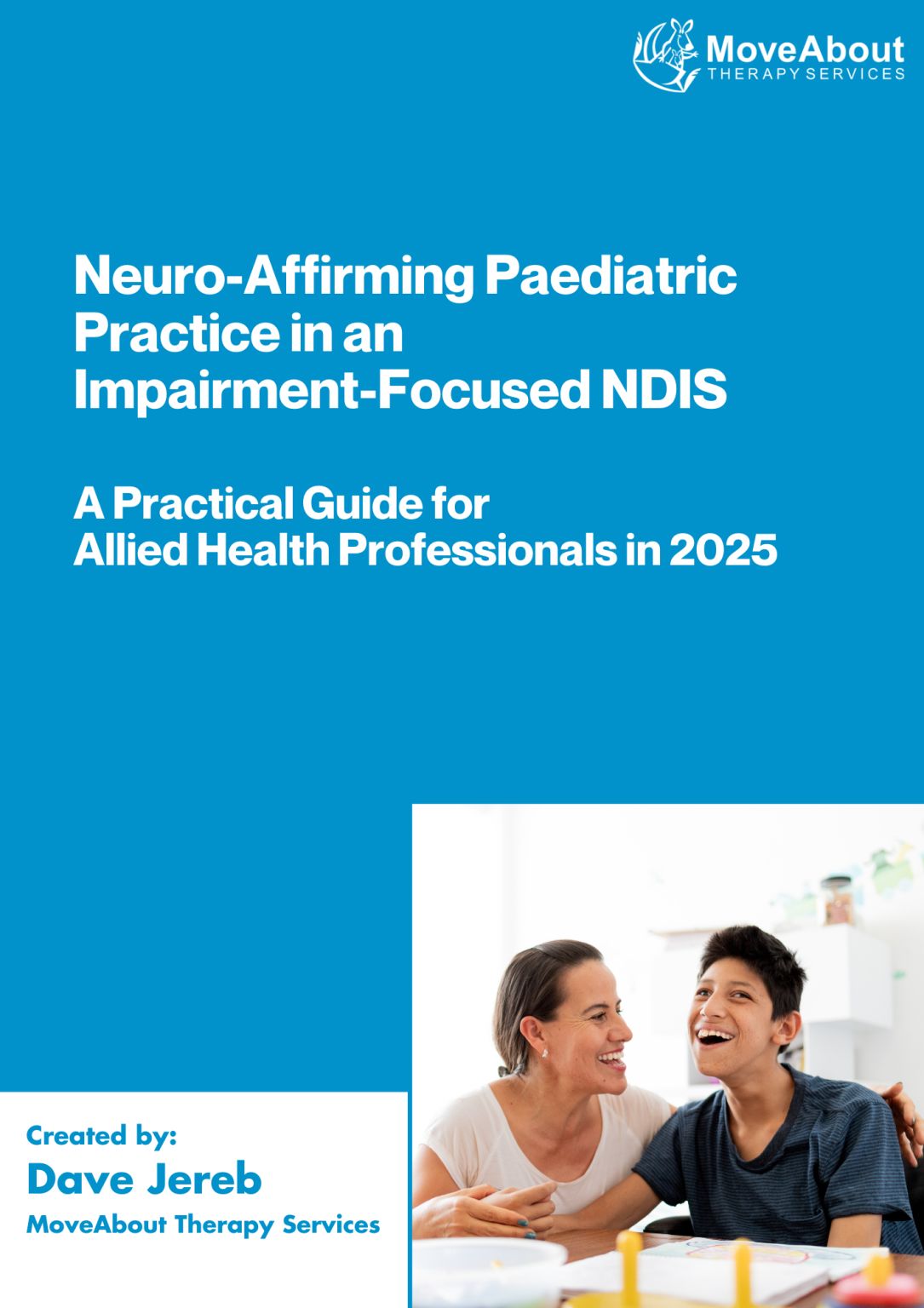
If you're navigating this space too, I’ve created a free guide to help: I'll drop the link in the comments. It’s called: 𝗡𝗲𝘂𝗿𝗼-𝗔𝗳𝗳𝗶𝗿𝗺𝗶𝗻𝗴 𝗣𝗮𝗲𝗱𝗶𝗮𝘁𝗿𝗶𝗰 𝗣𝗿𝗮𝗰𝘁𝗶𝗰𝗲 𝗶𝗻 𝗮𝗻 𝗜𝗺𝗽𝗮𝗶𝗿𝗺𝗲𝗻𝘁-𝗙𝗼𝗰𝘂𝘀𝗲𝗱 𝗡𝗗𝗜𝗦.
It doesn’t claim to fix the system overnight - but it offers clarity, practical language, and a starting point for holding both your values and your funding requirements in the same hand.
And the best part... it's free.
Download it, read it, and share it with your team.